


“Although our enrolled members have loved many aspects of Amazon Care, it is not a complete enough offering for the large enterprise customers we have been targeting, and wasn’t going to work long-term.” – Neil Lindsay, senior vice president of Amazon Health Services1.
In 2022, the news of Amazon Care’s shutdown reverberated across the healthcare and technology sectors. Amazon, with its legacy of industry disruption, entered the healthcare arena with the same confidence it brought to e-commerce and cloud computing. Amazon Care aimed to reimagine healthcare delivery through a virtual-first, customer-centric primary care service, underpinned by Agile methodologies. However, just three years after its launch, the service was shuttered.
So, what went wrong? Could Agile’s iterative approach have contributed to Amazon Care’s failure? More importantly, what can other healthcare startups learn from this high-profile stumble?
The Rise and Ambition of Amazon Care
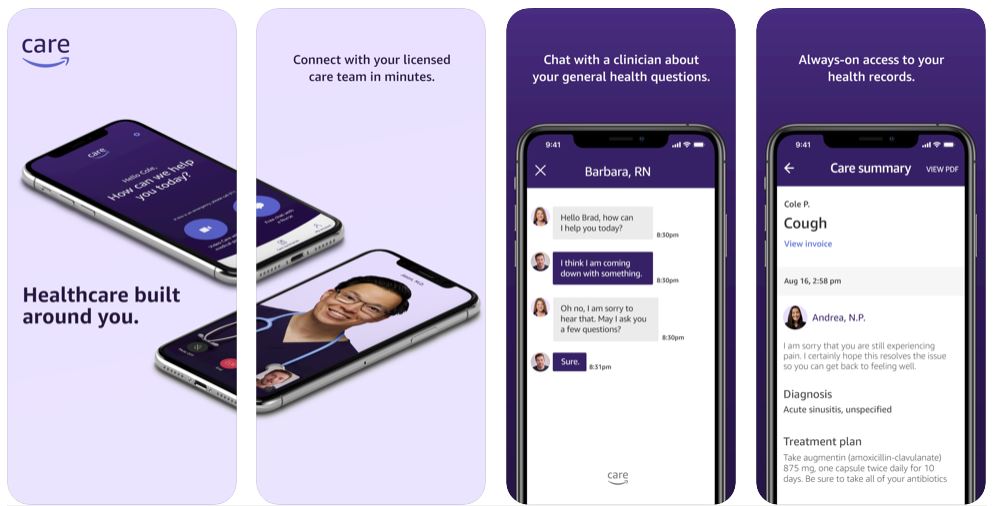
Amazon Care was launched in 2019 as an internal healthcare solution for Amazon employees, with plans for a wider rollout to the public. The service promised a virtual-first healthcare model, where patients could access medical care at the touch of a button. Its mission was bold: disrupt a traditionally slow, rigid industry by using Agile principles like iterative development, continuous delivery, and rapid adaptation to customer feedback.

Revenue in the Digital Health market is projected to reach US$ 171.90bn in 2024. It is expected to show an annual growth rate (CAGR 2024-2029) of 8.49%, resulting in a projected market volume of US$ 258.30bn by 2029. The average revenue per user (ARPU) is expected to amount to US$ 129.20.
In global comparison, most revenue will be generated in the United States (US$ 47,120.00m in 2024). The market’s largest market will be Digital Treatment & Care with a total revenue value of US$ 103.80bn in 20243.


Agile methodologies are expected to revolutionize digital healthcare practices to become adaptive, innovate quickly, and respond to changes in real-time. By focusing on continuous improvement and collaboration, healthcare teams can reduce waste, enhance patient satisfaction, and ensure better healthcare outcomes.

Using the Agile framework, Amazon Care built a service that could pivot quickly based on real-time data and user feedback. In theory, this flexibility should have allowed Amazon to continuously refine its offering based on customer needs, optimizing the patient experience over time. Market estimates put Amazon Care’s potential value in the billions, signaling that the tech giant was serious about revolutionizing healthcare.
Where Did It Go Wrong?
Despite the initial promise, Amazon Care’s downfall was swift. While Agile methodologies enabled quick iterations, it seems that the complexity of healthcare made rapid pivots less effective.
- Misalignment with Agile Principles: In healthcare, the stakes are incredibly high. A broken feature or misaligned service can have life-altering consequences, meaning that iterations must be deliberate, cautious, and rigorously tested. Amazon Care’s speed to market may have contributed to misaligned features that didn’t fully meet patient needs. Despite Agile’s focus on customer feedback, the service struggled to gain long-term user trust—a critical element in healthcare.
- Healthcare Complexity: The healthcare landscape is rife with complexity, from navigating insurance regulations to complying with patient privacy laws like HIPAA. These intricacies require detailed, often lengthy approval processes that clash with Agile’s emphasis on rapid releases. Amazon Care, for example, found that despite a robust technical foundation, meeting regulatory and patient safety requirements slowed down its ability to iterate quickly.
According to a report by Business Insider7, despite aggressive marketing, Amazon Care never attracted a meaningful patient base and had a hard time navigating healthcare’s notoriously fragmented regulatory landscape.
Lessons Learned: The Limits of Agile in Healthcare
There are clear lessons to be drawn from Amazon Care’s experience, specifically regarding the limits of Agile in healthcare.
- Iterative Failures: In sectors like e-commerce, rapid iteration often leads to breakthroughs, but in healthcare, too many pivots can lead to confusion among stakeholders. Customers felt lost in the frequent updates, and stakeholders struggled to keep up with shifting service features.
- Customer Trust & Adoption: The healthcare industry is deeply personal and trust-driven. Unlike digital products where users are accustomed to testing beta features, healthcare customers expect stability, reliability, and continuity. Agile’s trial-and-error process did not sit well with patients seeking consistent and dependable care. McKinsey reports that trust is one of the most important factors in patient adoption, with 70% of patients citing trust as a primary reason for choosing a healthcare provider.
Can Agile Work in Healthcare?
Despite Amazon Care’s failure, Agile is not inherently incompatible with healthcare. Several healthcare organizations have successfully adopted Agile principles to fuel their growth.
- Teladoc: One example is Teladoc, which has continuously refined its virtual care services by using Agile methodologies8. However, it differs from Amazon Care in that it prioritized building trust and ensuring patient safety from the outset. Teladoc’s iterative processes are slower and more measured, ensuring that each change adds value without sacrificing patient trust.
- Humana: Similarly, Humana has used Agile principles to streamline its health insurance operations9. The company focused on continuous delivery while ensuring all changes complied with strict healthcare regulations, striking a balance between innovation and safety.
Both of these organizations focused on deep market research and regulatory alignment, in addition to customer feedback loops, helping them avoid the pitfalls that Amazon Care encountered.
How to Apply Agile Successfully in Healthcare
The key to successful Agile implementation in healthcare is balancing iteration speed with the rigor of regulatory and patient safety requirements.
- Collaborative Agile: Agile in healthcare must include continuous collaboration with regulators, healthcare professionals, and patients. Without this collaboration, even the most innovative services can fail to meet regulatory or patient expectations.
- Iterative Innovation with Caution: Startups must adopt a slower, more measured Agile cycle, emphasizing thorough testing and validation before each release. This allows for flexibility without risking patient safety.
- Customer-Centric Agile: Building trust should be a core focus. In healthcare, this means going beyond mere customer feedback loops. A deeper understanding of patient psychology, preferences, and long-term care needs must be embedded in every decision.
The Future of Agile in Healthcare Startups
Amazon Care’s failure doesn’t spell the end for Agile in healthcare. Instead, it highlights the need for adaptation. Agile’s potential for driving innovation in healthcare is undeniable, but it requires a careful balance of speed, collaboration, and safety.
- Potential for Growth: Virtual healthcare is growing rapidly. The global telehealth market is projected to reach $559.52 billion by 202710, according to Allied Market Research. Startups that adopt a more patient-focused, carefully iterative approach have the opportunity to thrive.
- Innovative Outlook: The future of Agile in healthcare will likely involve hybrid models that merge Agile’s flexibility with the robustness of traditional healthcare practices. Startups need to build trust through transparency, collaboration, and a commitment to long-term patient outcomes.
Conclusion: Starting a Conversation
The failure of Amazon Care serves as a cautionary tale for healthcare startups adopting Agile. While the Agile methodology has the potential to transform healthcare delivery, it must be adapted to the unique demands of the healthcare sector. As we look to the future, healthcare companies must carefully balance innovation with the trust and reliability patients need.
References
- https://www.healthitanswers.net/what-went-wrong-for-amazon-care/ ↩︎
- https://www.researchnester.com/reports/digital-health-market/993 ↩︎
- https://www.statista.com/outlook/hmo/digital-health/worldwide ↩︎
- https://www.novaoneadvisor.com/report/sample/5756 ↩︎
- https://www.grandviewresearch.com/industry-analysis/digital-health-market ↩︎
- https://innovations.bmj.com/content/7/2/499 ↩︎
- https://www.businessinsider.com/why-amazon-care-shut-down-insiders-2022-8 ↩︎
- https://www.pwc.com/us/en/library/case-studies/teladoc-streamlined-operational-efficiency.html ↩︎
- https://www.outsystems.com/case-studies/humana-digital-agility-boost/ ↩︎
- https://psico-smart.com/en/blogs/blog-integrating-wearable-technology-with-telehealth-services-169781#:~:text=Moreover%2C%20the%20global%20telehealth%20market,toward%20more%20integrated%20health%20solutions. ↩︎



 Parijat Dutta
Leave a comment