


“In 2023, there were over 300 independent pharmacy net closures — almost one less pharmacy open for patients a day — and there are approximately 2,200 fewer retail pharmacies than there were four years ago.” – National Community Pharmacists Association’s letter to CMS on Feb 27th, 20242.
Over 300 independent pharmacies shuttered their doors in 2023, with one closing every day on average. Over 1000 chain pharmacies closed in 2022. More than 7000 pharmacies have closed since 20193, with over 54% of them being independent drug stores. 2024 is already being touted as the “year of pharmacy closures”. Rite Aid, Walgreens and CVS have collectively expressed the closing of 1500 pharmacies in the next 2 years, with the bulk of them expected in 20244.
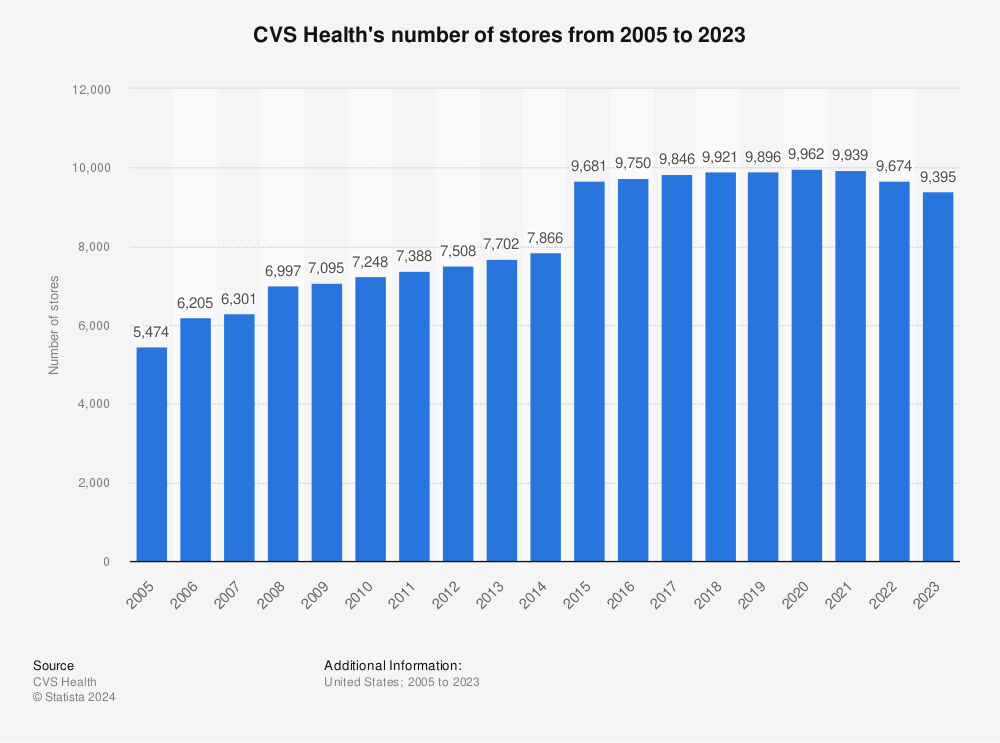
Find more statistics at Statista
This map from the ACT Pharmacy Collaborative5 highlights only a fraction of these closures across the country, providing media stories where available about how each closure is affecting local communities.
As we witness the closure of major brick-and-mortar pharmacies such as CVS, Walgreens, and Rite Aid across the United States, it’s clear that the healthcare landscape is undergoing a significant shift. While there are several macro and micro-economical factors at play, exacerbated by changing regulatory landscape, they are also signaling deep, transformative trends in healthcare, driven by the rise of artificial intelligence (AI), distributed computing, and the growing emphasis on personalized care. In the next 5, 10, and 15 years, we are likely to see a healthcare system that looks very different from what we know today, and the current wave of pharmacy closures is just the beginning.
The Rise of Digital Healthcare: What’s Driving Pharmacy Closures?
The shift toward digital healthcare solutions has played a key role in the reduction of physical pharmacy locations. Telemedicine, online pharmacies, and the rapid growth of health-focused tech platforms have created a new paradigm where patients no longer need to visit a store to get their prescriptions filled. With the convenience of mail-order medication services and telehealth consultations, the traditional pharmacy model is quickly becoming obsolete.
Evidation Health clearly demonstrates the value of digitization in the healthcare space through its case study6. Evidation Health developed a technology platform that enables companies to more quickly, cost efficiently, and accurately quantify the value of their health-related technologies outside of clinic walls. The company uses its technology to connect its customers and their data streams to other data sources
in a way that enables them to run virtual trials that measure the real-world impact of health interventions at a scale that has never before been possible.
According to Statista7, the Digital Health market in US is expected to grow at a CAGR of 8.24% from 2024-2029, resulting in projected market volume of $70 billion by 2029 from $47 billion in 2024.
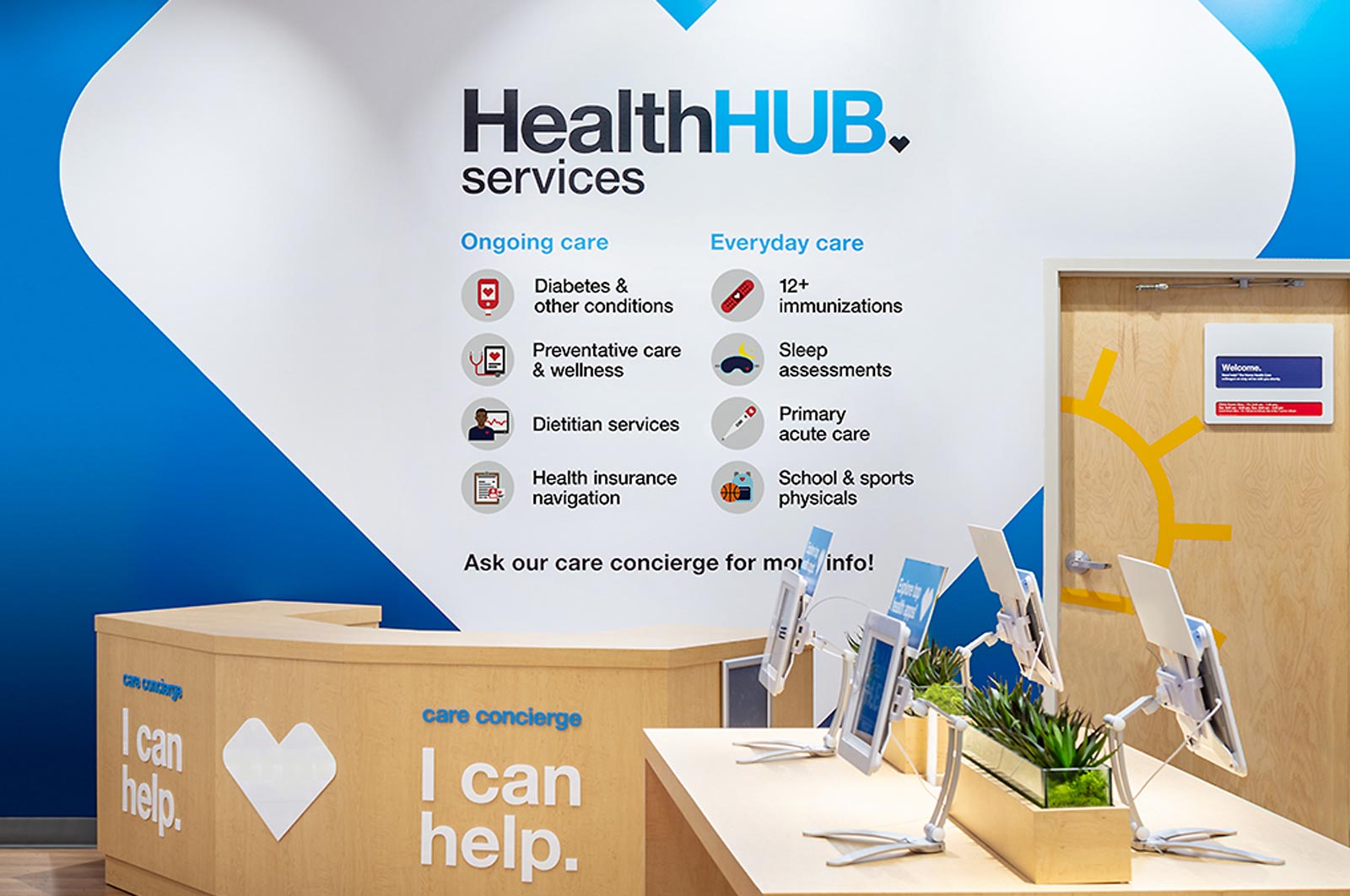
For example, CVS Health has aggressively pushed its digital health solutions, including its CVS HealthHUB locations, which integrate physical and digital services to provide a more holistic approach to healthcare. Patients can now consult healthcare providers virtually, have prescriptions delivered to their homes, and manage their health data—all from an app on their phones. Similarly, Amazon Pharmacy has capitalized on this trend, making it easier than ever for consumers to order medications directly to their doorstep.
This rise in digital healthcare is also driven by a greater need for personalized medicine and individualized care. Patients expect more tailored health experiences, and pharmacies are no exception. As AI advances, the ability to leverage patient data for highly customized treatment plans is growing rapidly, reducing the need for physical locations where patients are simply another face in the crowd.
Global Digital Health market size was worth more than $233.5 billion in 2022 and is anticipated to depict a 15% CAGR between 2023 and 2032 driven by the growing adoption of smartphones, tablets, and other mobile platforms8.


AI-Powered Personalized Healthcare and Distributed Computing: The Future of Pharmacy
AI is at the heart of this transformation, enabling pharmacies and healthcare providers to deliver personalized, data-driven care at scale. AI can analyze vast amounts of patient data—from genetic information to lifestyle factors—to recommend the most effective treatments for each individual. This transition from generalized care to hyper-personalized medicine is diminishing the need for large, physical pharmacy locations. Instead, AI systems can process and deliver more accurate and timely recommendations remotely, allowing patients to get the right medications, tailored specifically to them, without ever needing to visit a physical store.

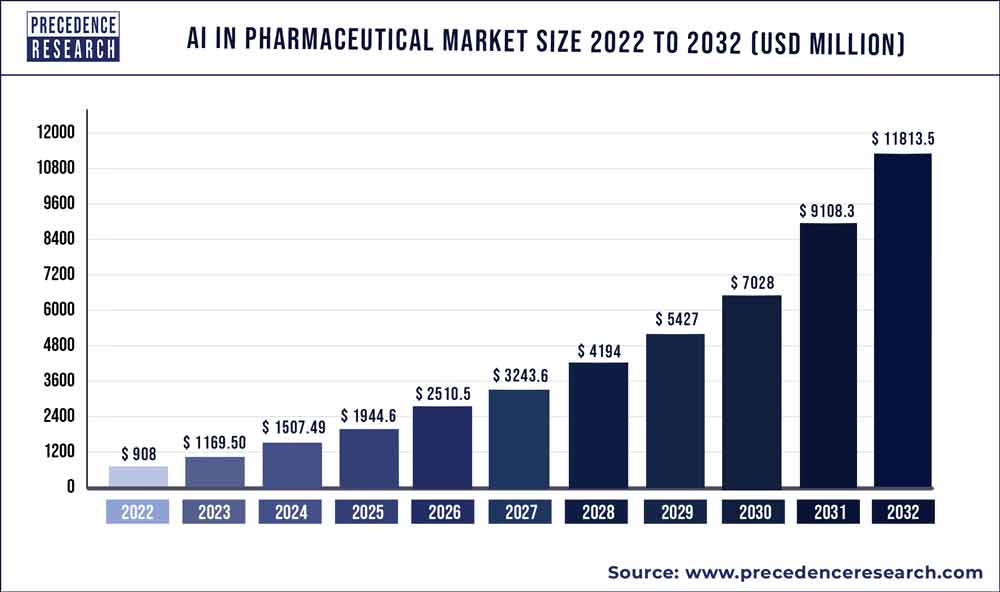
Moreover, distributed computing is playing an equally pivotal role in transforming the pharmacy sector. With cloud-based platforms managing everything from real-time health monitoring to remote prescription services, distributed systems are making healthcare more agile and scalable. Digital technology is driving a massive shift in the worldwide pharmacy industry with the goal of improving productivity, efficiency, and flexibility in healthcare delivery. In the pharmacy industry, implementing digital technologies like automation, computerization, and robotics is essential to cutting expenses and enhancing service delivery9.
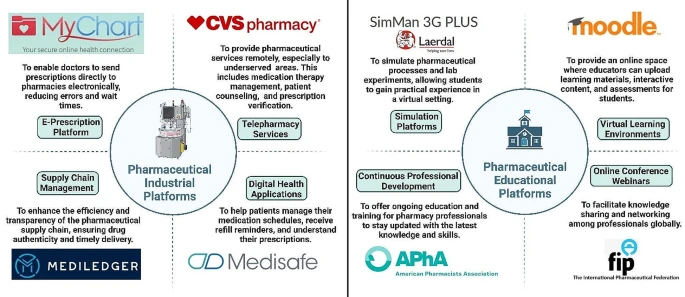
Agile methodologies are further driving this transition by allowing healthcare companies to quickly adapt to changes in the market and consumer needs. Take Amazon’s approach with its pharmacy services: by leveraging agile frameworks, they’ve been able to launch, iterate, and scale their offerings quickly in response to user feedback. This agility ensures that digital healthcare services can evolve at the same pace as technological advancements and patient expectations.
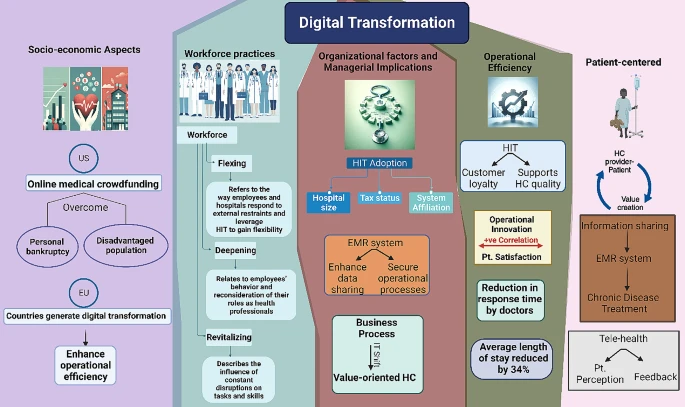
Global Healthcare Supply Chain: Impact of Digital Transformation
The shift toward digital healthcare and AI-enabled services isn’t just transforming pharmacy operations; it’s also reshaping the global supply chain for pharmaceuticals. The traditional pharmacy model required extensive physical infrastructure, including warehouses, delivery trucks, and retail outlets. But as more healthcare systems move online, supply chains are becoming more streamlined, relying on just-in-time manufacturing and distribution to reduce waste and improve efficiency.
A McKinsey research10 suggests that, on average, companies that aggressively digitize their supply chains can expect to boost annual growth of earnings before interest and taxes by 3.2%—the largest increase from digitizing any business area11—and annual revenue growth by 2.3%12.
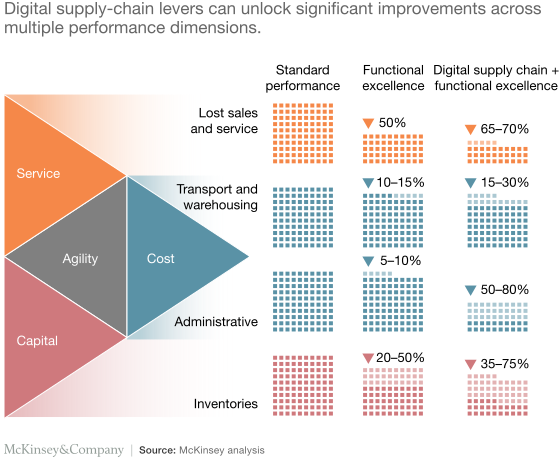
A great example of this is the increasing use of 3D printing technology to produce medications on demand13. Imagine a future where medications can be printed at local distribution centers, tailored to the exact needs of individual patients. This would drastically reduce the overhead required to run large pharmacy chains while making medication more accessible and affordable to patients worldwide.

At the same time, AI-driven supply chain management is enabling real-time tracking and prediction of healthcare needs, ensuring that medications are delivered to the right place at the right time. This kind of precision is reducing waste, minimizing stockouts, and making global supply chains more resilient to disruptions—a critical factor as the healthcare industry becomes more interconnected globally.
Looking Ahead: The Next 5, 10, and 15 Years
5-Year Outlook: In the next five years, we will likely see the full integration of AI into the healthcare ecosystem, enabling personalized care to become the norm. With AI-driven health management systems and real-time data analytics, the need for physical pharmacy locations will diminish even further. Instead, digital health hubs will emerge, offering remote consultations, on-demand medication delivery, and personalized health management, while physical stores will serve more niche purposes, such as specialized consultations or urgent care services.
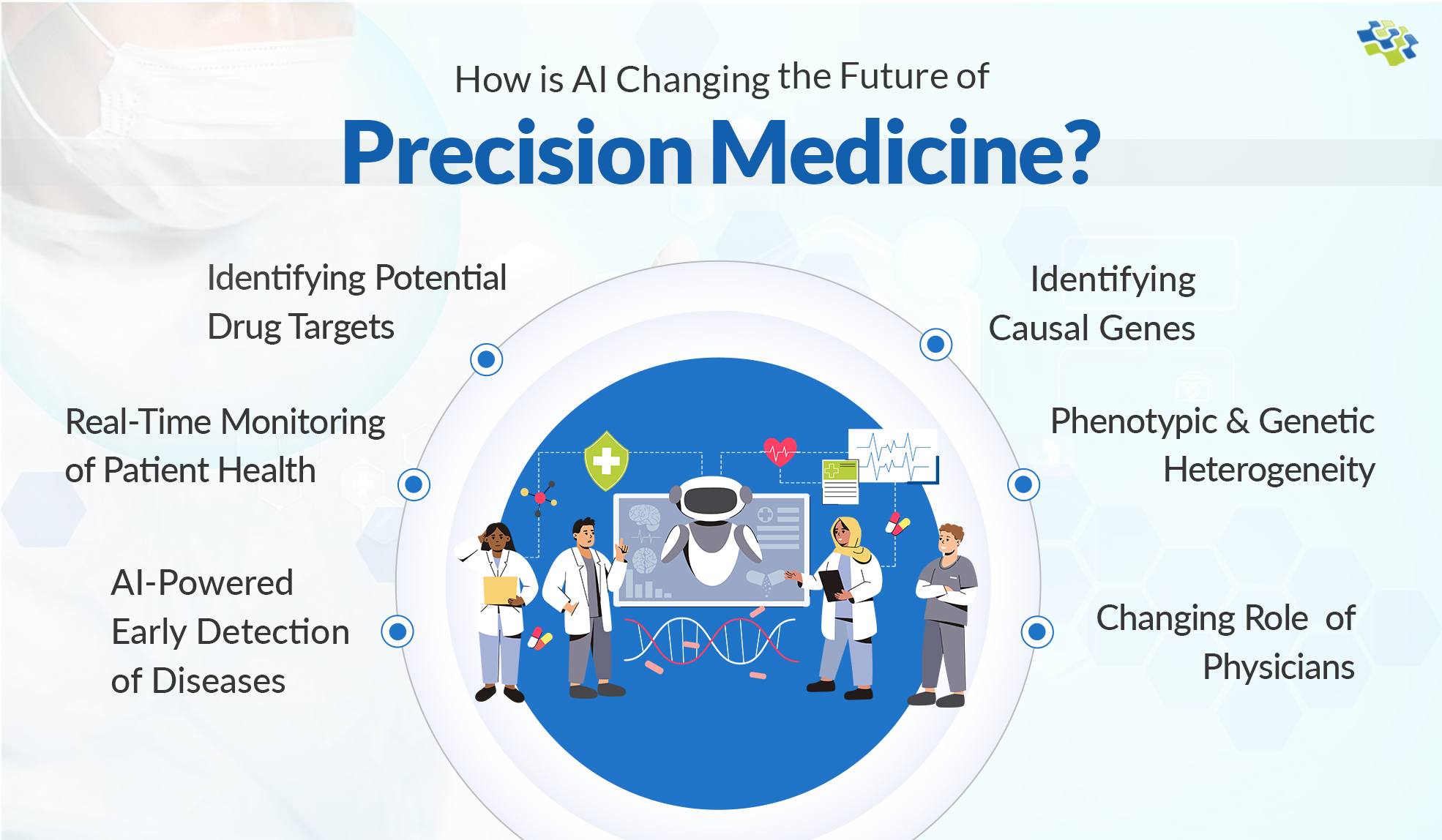
10-Year Outlook: By 2035, AI-powered platforms and distributed computing will enable a global shift toward decentralized healthcare systems. Supply chains will be fully integrated across borders, allowing for seamless, just-in-time delivery of medications and treatments. Pharmacists may no longer be confined to retail stores but will instead operate as digital consultants, guiding patients through complex treatment plans remotely.

15-Year Outlook: In 15 years, we can expect a fully digital, globally interconnected healthcare system where AI predicts healthcare needs and automates medication production and delivery. International dependencies will stabilize through AI-managed supply chains, ensuring that healthcare products are manufactured and delivered exactly when and where they are needed. Patients will have real-time access to personalized care, making the healthcare system more efficient, affordable, and accessible on a global scale.
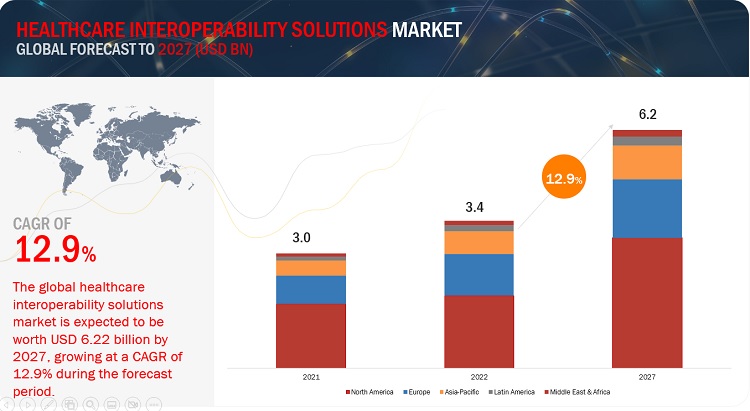
Challenges and Pitfalls to be Considered
As healthcare undergoes rapid transformation driven by AI, agile practices, and the shift away from traditional brick-and-mortar pharmacy models, several challenges and potential pitfalls must be addressed to assure success.
- Data Privacy and Security: With the digitization of healthcare, protecting sensitive patient data becomes critical. Pharmacies transitioning to digital models must invest heavily in cybersecurity measures and compliance with regulations like HIPAA to maintain trust and prevent data breaches.
- Technology Integration: Implementing AI, distributed computing, and other advanced technologies can be complex, especially when integrating with legacy systems. Ensuring smooth technology adoption requires careful planning, ongoing training for staff, and seamless interoperability between old and new systems.
- Access Disparities: As the industry leans toward digital and personalized care, not all populations have equal access to technology. Rural areas, the elderly, and low-income patients may face barriers in accessing telehealth or AI-driven healthcare solutions. Overcoming this requires targeted initiatives like subsidized internet access, user-friendly platforms, and hybrid care models to bridge the digital divide.
- Workforce Disruption: The shift away from brick-and-mortar locations may result in job displacement for pharmacists and support staff. Companies should focus on reskilling employees, offering them new opportunities in the evolving digital landscape, and ensuring that the human touch in healthcare isn’t lost entirely.
- Consumer Adaptation: Transitioning to a predominantly virtual healthcare experience may face resistance from patients accustomed to in-person visits. Building trust through transparent communication, accessible platforms, and customer education is essential to ensure adoption of digital models.
- Regulatory Compliance: As AI and digital health solutions evolve, the regulatory environment lags behind. Pharmacies and healthcare providers will need to stay ahead of emerging regulations, ensuring that innovations comply with shifting legal frameworks.
Conclusion
As brick-and-mortar pharmacies continue to close their doors, it’s clear that the healthcare industry is undergoing a seismic shift. AI, agile frameworks, and distributed computing are not just transforming how we receive care—they are defining the future of healthcare itself. The pharmacy closures we see today are merely the first step toward a more agile, personalized, and globally connected healthcare system. The next 15 years promise to bring even greater changes, and organizations that can adapt to these trends will be at the forefront of the healthcare revolution.
Now is the time for industry leaders to embrace these shifts and prepare for a future where healthcare is delivered on-demand, personalized, and driven by cutting-edge technology.
References
- https://www.newsweek.com/why-your-drugstore-closing-cvs-walgreens-rite-aid-1861542 ↩︎
- https://ncpa.org/sites/default/files/2024-02/2.27.2024-NCPAtoCMS-DIRconcerns-surveyresults.pdf ↩︎
- https://apnews.com/article/pharmacy-closure-drugstore-cvs-walgreens-rite-aid-91967f18c0c059415b98fcf67ad0f84e#:~:text=Across%20the%20U.S.%2C%20more%20than,who%20considers%20that%20estimate%20conservative. ↩︎
- https://www.pharmacytimes.com/view/it-s-crunch-time-for-cash-flow-and-closures-what-s-on-the-other-side- ↩︎
- https://www.actforpharmacy.com/pharmacy-closures ↩︎
- https://biodesign.stanford.edu/content/dam/sm/biodesign/documents/case-studies/Evidation_Health-Demonstrating_Value_071222.pdf ↩︎
- https://www.statista.com/outlook/hmo/digital-health/united-states#revenue ↩︎
- https://www.gminsights.com/industry-analysis/digital-health-market ↩︎
- https://jhpn.biomedcentral.com/articles/10.1186/s41043-024-00550-2 ↩︎
- https://www.mckinsey.com/capabilities/mckinsey-digital/our-insights/the-case-for-digital-reinvention ↩︎
- https://www.mckinsey.com/capabilities/operations/our-insights/digital-transformation-raising-supply-chain-performance-to-new-levels ↩︎
- https://www.mckinsey.com/capabilities/operations/our-insights/digital-transformation-raising-supply-chain-performance-to-new-levels#:~:text=by%202.3%20percent.-,1,-Jacques%20Bughin%2C%20Laura ↩︎
- https://www.sciencedirect.com/science/article/pii/S1818087618307852 ↩︎
- https://nextgeninvent.com/blogs/the-future-of-precision-medicine/ ↩︎
- https://www.researchgate.net/figure/The-convergence-of-blockchain-and-AI-for-a-decentralized-patient-centric-healthcare_fig4_353766546 ↩︎
- https://www.marketsandmarkets.com/Market-Reports/healthcare-interoperability-solution-market-17705847.html ↩︎


 Parijat Dutta
Leave a comment